Not All Quality Problems Are Obvious
Some defects jump out immediately. Cracked plastic. Missing components. Damaged packaging. Easy stuff.
The harder problems are usually more technical. Incorrect material density. Weak stitching tension that fails later under stress. Electrical inconsistencies that only appear after repeated use. Surface coatings that look fine initially but degrade much faster than expected.
Those issues don’t always get caught by someone simply walking through a factory checking random units visually. They require product-specific understanding.
And honestly, that difference becomes much more important as products get more complex.
Different Products Fail in Different Ways
A children’s toy, a power bank, and a garment all carry completely different risk points.
Textiles might have sizing consistency issues. Electronics may involve heat tolerance or unstable internal components. Furniture often develops structural problems that aren’t obvious until assembly or shipping stress occurs.
That’s why generalized inspections sometimes miss important details. Inspectors may understand basic quality standards but not the specific weak points tied to a certain product category.
Experienced importers pay attention to that distinction because they’ve seen how expensive those blind spots can become later.
Factories Also Behave Differently Depending on the Product
This part gets overlooked a lot.
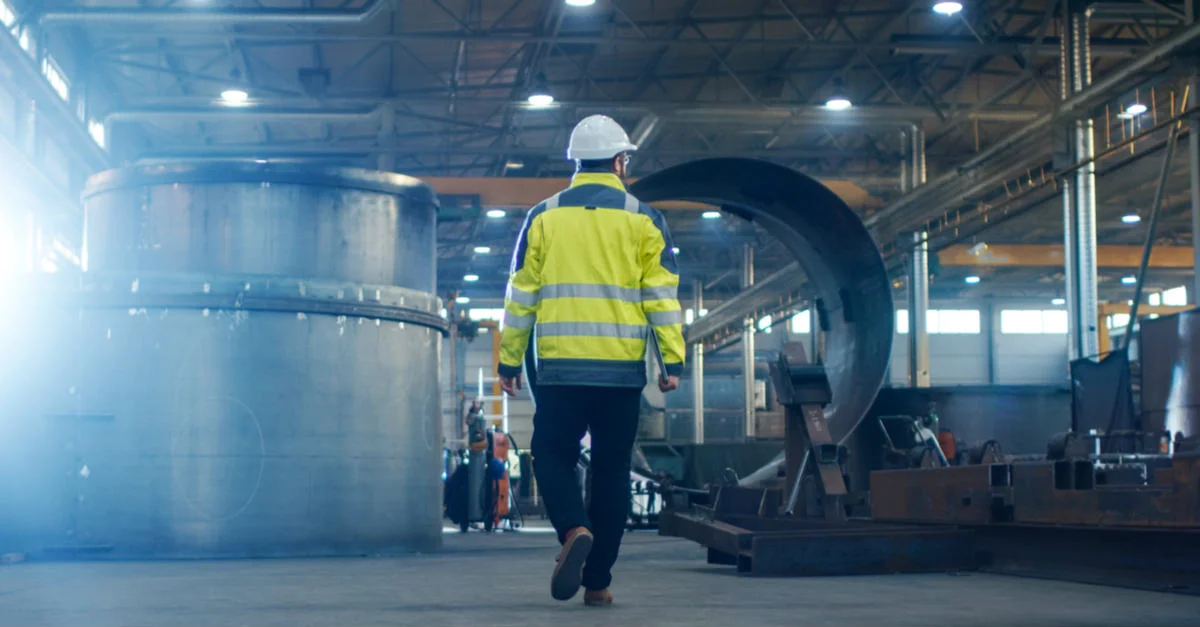
A factory producing simple low-risk goods may operate perfectly fine with basic process control. But once products become more technical or heavily regulated, the margin for error shrinks fast.
Material substitutions become riskier. Assembly inconsistencies matter more. Small production drift can create compliance failures or customer complaints very quickly.
That’s where working with product inspection specialists Asia starts making a real difference. Specialized inspectors understand the types of failures most likely to occur within specific product categories, so they know where to focus attention before issues spread through production.
That level of awareness changes the inspection itself.
Surface-Level Checks Can Create False Confidence
One of the biggest mistakes buyers make is assuming a visually clean shipment automatically means the products are reliable.
Sometimes everything looks perfect externally while deeper quality problems sit underneath. Weak internal construction. Poor component durability. Incorrect specifications hidden inside finished assembly.
The shipment passes basic checks, ships out, reaches customers… and then the real issues begin appearing weeks later.
Returns. Complaints. Product failures that never showed up during standard visual inspections.
That’s why technical understanding matters so much. It helps uncover problems that appearance alone can’t reveal.
Repeating Defects Usually Point to Process Problems
Specialized inspections also help identify patterns instead of isolated defects.
A single issue might not seem serious. But when inspectors recognize recurring trends tied to production methods, they can often spot process weaknesses before they become large-scale shipment problems.
Maybe assembly pressure is inconsistent. Maybe material handling is creating hidden damage during production. Maybe the supplier quietly switched a component vendor without understanding the long-term impact.
Those are the kinds of issues experienced specialists tend to notice much earlier than general inspections focused only on finished appearance.
Product Complexity Keeps Increasing
This trend isn’t slowing down either.
Products now involve more mixed materials, more technical standards, more compliance requirements, and tighter customer expectations than they did years ago. Even relatively simple consumer products often contain multiple layers of manufacturing risk underneath the surface.
That complexity changes what buyers need from quality control.
Basic inspection processes still matter. But increasingly, companies need inspectors who understand not just how to check products—but how those products actually function, fail, and behave over time.
The Goal Isn’t Just Finding Defects
Good inspections don’t simply create defect reports after problems already exist.
The real value comes from understanding where defects are likely to appear before production fully scales. That’s what specialized product knowledge helps uncover.
Because once a technical issue spreads across an entire shipment, fixing it becomes dramatically more expensive than catching the warning signs early while production is still controllable.