
A well-organized battle belt first aid kit can improve efficiency, save time, and support quick response during demanding situations. Keeping medical supplies arranged properly also reduces stress when immediate action is needed. With the right setup, every item stays easy to locate, secure, and ready for use.
Focus On Easy Accessibility
Fast access is one of the most important parts of an effective setup. Organizing supplies by priority helps improve response speed and keeps the kit practical during movement.
Helpful accessibility tips:
- Place critical medical tools in the front or outer sections
- Keep frequently used items within one-hand reach
- Avoid overloading compartments with unnecessary gear
- Use pull tabs or easy-open pouches for faster access
- Store similar items together for better organization
A clean and simple layout prevents confusion and helps maintain better control during high-pressure situations.
Separate Supplies by Purpose
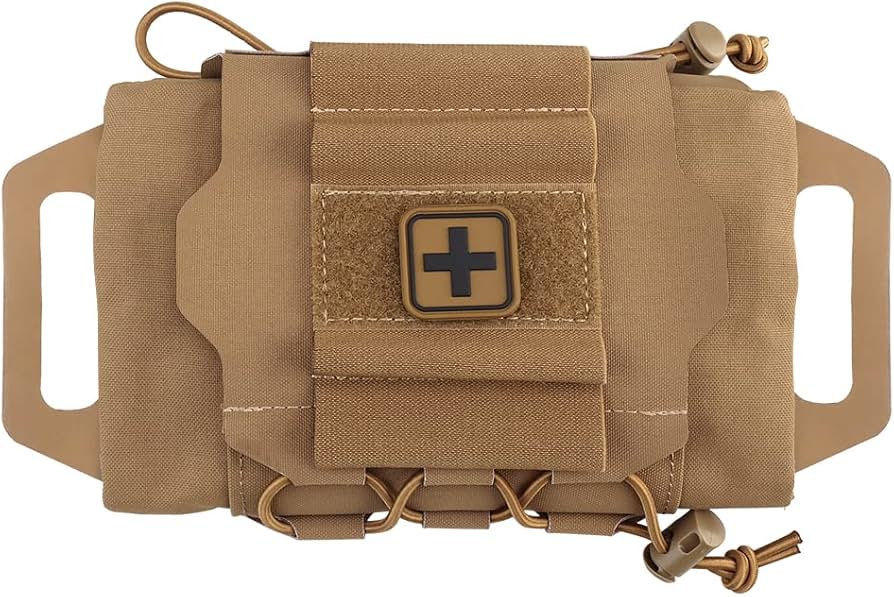
Dividing equipment into categories creates a more efficient medical arrangement. Grouping items based on function allows faster identification and smoother handling.
Common organization categories:
- Bleeding control supplies
- Protective medical gloves
- Bandages and dressings
- Airway support items
- Small trauma tools
- Cleaning and sanitation products
This method reduces wasted movement and keeps the battle belt balanced and functional.
Use Compact Storage Methods
A compact setup improves comfort and mobility while battle belt ifak keeping important medical gear secure. Bulky arrangements can slow movement and make the belt harder to manage.
Ways to reduce bulk:
- Fold soft supplies neatly
- Remove unnecessary packaging
- Use flat storage pockets for slim items
- Avoid duplicate tools that serve the same purpose
- Arrange gear according to size and frequency of use
Compact organization creates a lighter and more comfortable setup without sacrificing readiness.
Keep Weight Balanced
Balanced weight distribution improves comfort during extended wear. Uneven loading may cause discomfort, shifting, or reduced mobility.
Balance tips for better comfort:
- Place heavier supplies near the center of the belt
- Avoid stacking all equipment on one side
- Test movement after organizing the kit
- Adjust pouch positions for smoother weight distribution
- Keep emergency tools secure to prevent bouncing
A stable battle belt allows better movement and reduces unnecessary strain.
Label Important Sections
Clear labeling can improve efficiency during stressful moments. Even simple visual markers make it easier to identify supplies quickly.
Useful labeling ideas:
- Use color-coded sections
- Mark trauma-related items clearly
- Separate medical tools from utility gear
- Keep labels large and easy to recognize
- Maintain consistent placement for every item
An organized visual system helps create a faster and more reliable response process.
Perform Regular Equipment Checks
Routine inspections keep the first aid kit dependable and fully prepared. Organized gear should always remain clean, secure, and easy to access.
Important maintenance habits:
- Replace expired medical items
- Repack loose supplies immediately
- Check pouch closures and fasteners
- Remove damaged or worn equipment
- Review the layout after training or field use
Frequent maintenance keeps the setup effective and ready for continued.
A properly organized battle belt first aid kit supports speed, mobility, and confidence during critical situations. Simple arrangements, balanced weight, compact storage, and clearly grouped supplies all contribute to a smoother and more dependable setup. With regular maintenance and thoughtful organization, a battle belt can remain efficient, comfortable, and prepared for rapid medical response.